Check out the paper that started this project 📄
From families to education systems to stigmatization, learn about the origins of incarceration and how literature can transform lives.
A Note on Language
In an open letter published by the Prisons Studies Project, Eddie Ellis, an advocate for prison reform and former Black Panther writes: “we are referred to as inmates, convicts, prisoners and felons. All terms devoid of humanness which identify us as “things” rather than as people. In an effort to assist our transition from prison to our communities as responsible citizens and to create a more positive human image of ourselves, we are asking everyone to stop using these negative terms and to simply refer to us as PEOPLE. People currently or formerly incarcerated, PEOPLE on parole, PEOPLE recently released from prison, PEOPLE in prison, PEOPLE with criminal convictions, but PEOPLE.”
Acess and Circulation
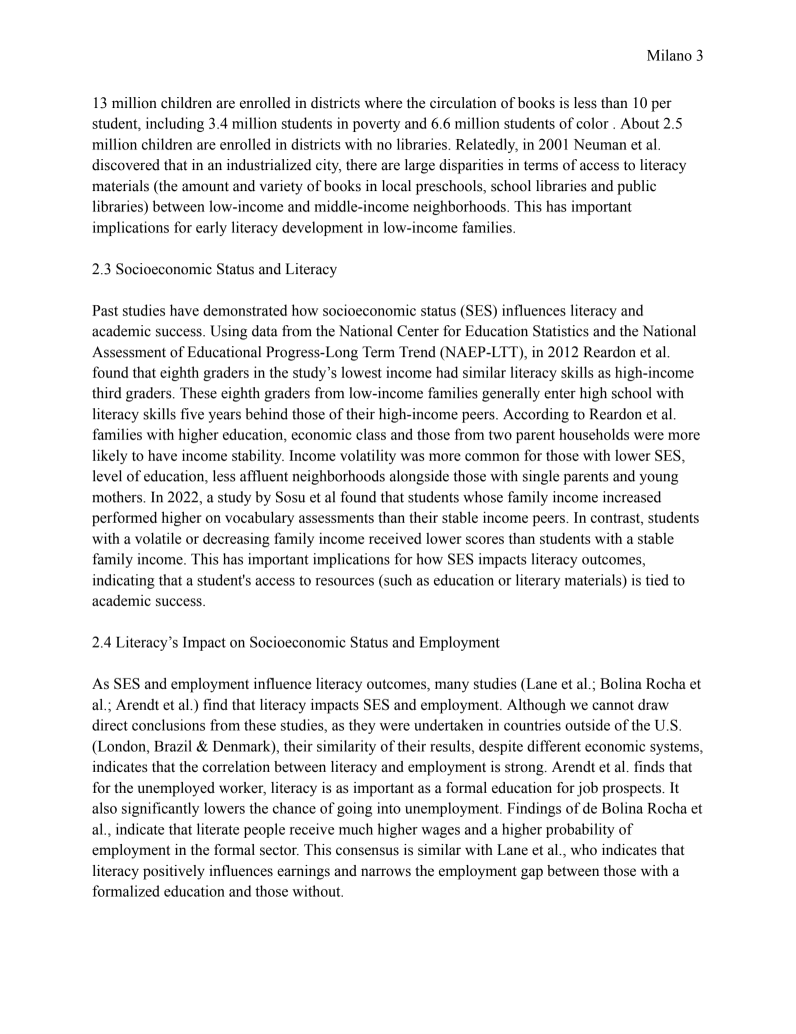
50% of students with a circulation of 100 or more books score as literary proficient, whereas only 15% of children with a circulation of 10 or fewer books do.
13 million children are enrolled in districts where the circulation of books is less than 10 per student, including 3.4 million students in poverty and 6.6 million students of color. About 2.5 million children are enrolled in districts with no libraries.
This has important implications for early literacy development in low-income families.
Benefits of Prison Education
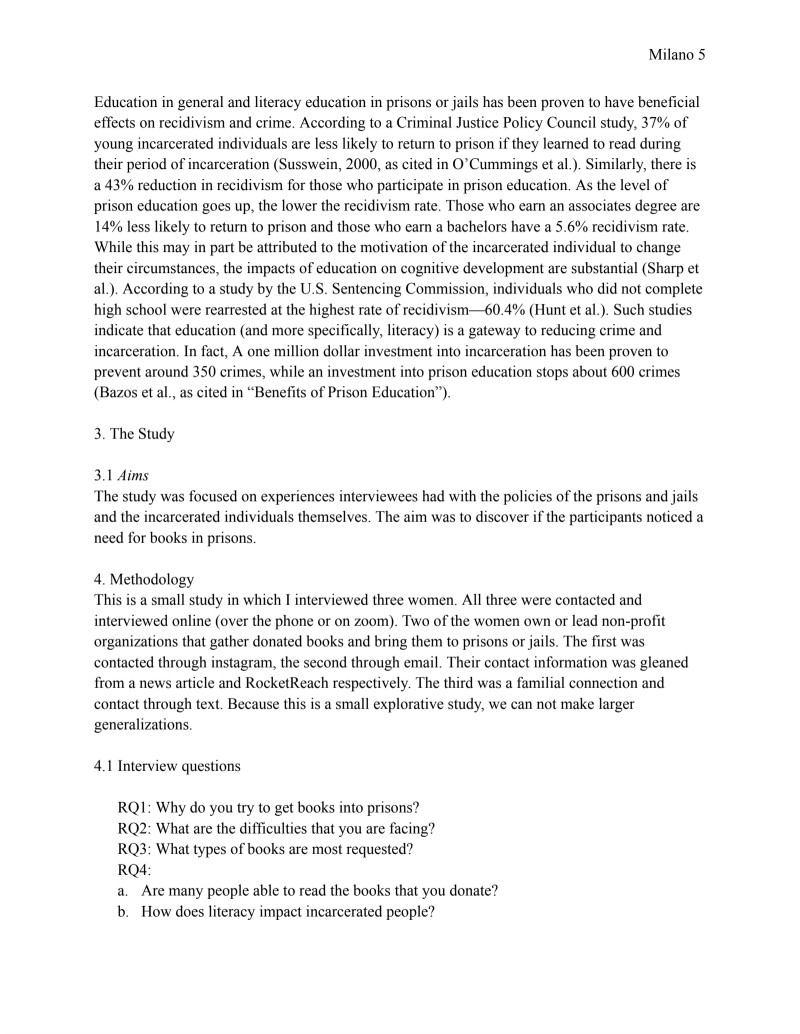
37% of young incarcerated individuals are less likely to return to prison if they learned to read during their period of incarceration. Similarly, there is a 43% reduction in recidivism for those who participate in prison education.
A one-million-dollar investment into incarceration has been proven to prevent around 350 crimes, while such an investment into prison education stops about 600 crimes.
“I think we need a different relationship to education itself. A large issue is that there needs to be access to quality education for low-income folks. Even though I would argue that it is antithetical to a democracy, we have a very segregated education system. You have these private schools that are not accessible. There is a culture of scarcity, it’s this myth of “oh, why should the murderer get a free ride.” Which is a misconception of the majority of people who are actually in prison. It’s this idea that somebody broke the law and therefore they should have access to education, even though it's a basic human right, because it’s a competition. It’s this scarcity model that we don't have enough education to go around.”
— Study Participant C